Economic hardship spurs contraceptive acceptance in Jigawa
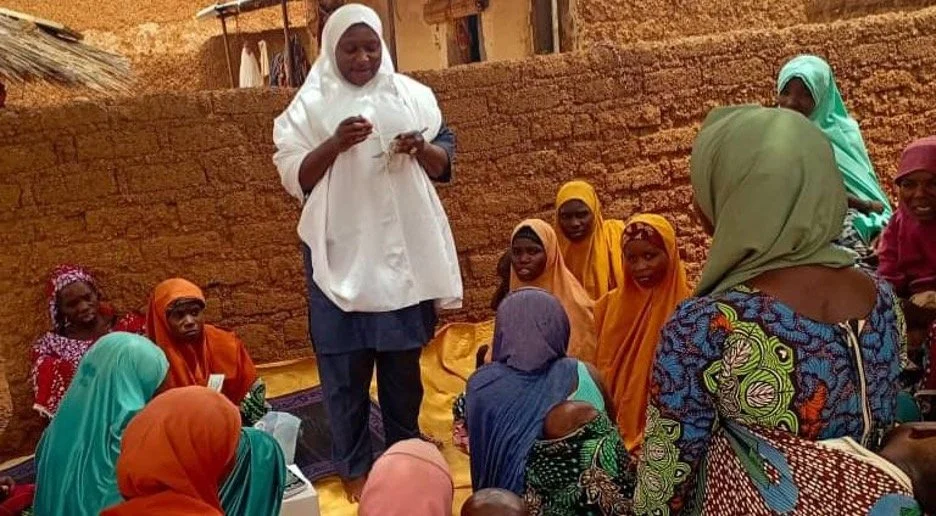
A woman holding DMPA-SC contraceptive during an outreach campaign by Lafiya
Originally published on icirnigeria.org by Muhammad Abubakar Tahir
In Jigawa State, northwest Nigeria, economic hardship is forcing many couples to reconsider tradition. Across the conservative northern region, where family planning is often viewed as controversial, this ICIR special report explores why more couples are now choosing to have fewer children despite long-held cultural beliefs.
Fatima Musa, 30, sat on a wooden stool, clutching her seven-year-old daughter and worrying about their next meal. Her seven other children are away at a public school, and her anxiety over feeding them is fixed on the empty pot before her.
“We don’t have food for today, and we don’t have food for tomorrow,” Musa told this reporter who visited her home in Hadejia, Jigawa State. “I go out every day to look for food for my children,” she said.
Stories like Fatima Musa’s highlight a growing struggle among women raising large families in the state. With household resources stretched thin and husbands grappling with economic hardship, the responsibility of providing for many children has become an overwhelming burden. (…)
Zainab Ahmad Adamu, Program Manager at Lafiya Nigeria, a non-governmental organisation that provides free family planning services, said the organisation conducts monthly outreaches across Jigawa State to provide women with Sayana Press self-injection contraceptives for birth spacing.
Adamu said that though economic hardship can shape household decisions, family planning must remain voluntary.
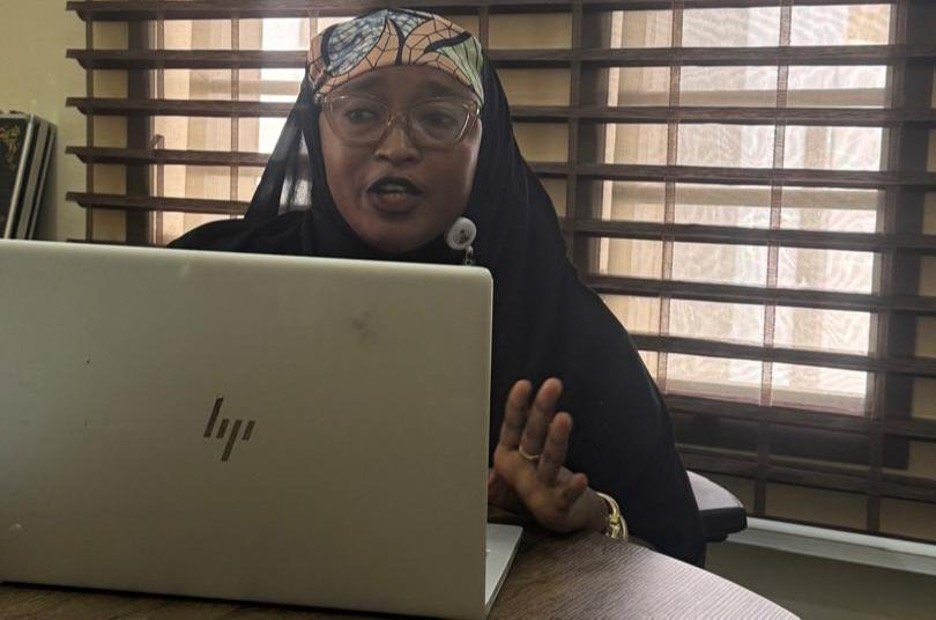
Zainab Ahmad Adamu, Programme Manager at Lafiya.
“Family planning should never be presented as something people are forced into because of economic conditions,” she argued. “Every woman and couple has the right to make informed, voluntary decisions about whether and when to have children.”
She said economic pressures may increase interest in family planning, but access should always be based on informed choices rather than financial necessity. “When we visit remote communities, women tell us life is hard, so they need to space their births to cope. Some even say their husbands encouraged them to use family planning to ease the burden on the family,” she said.
According to her, Lafiya Nigeria provided family planning services to 153,117 people across all 27 local government areas of Jigawa State between January 2025 and May 2026. She acknowledged strong progress, even in communities that once viewed family planning against their beliefs.
She added that the organisation hopes more Nigerians will embrace family planning in the coming years to improve maternal and child health.
Read the full article here.