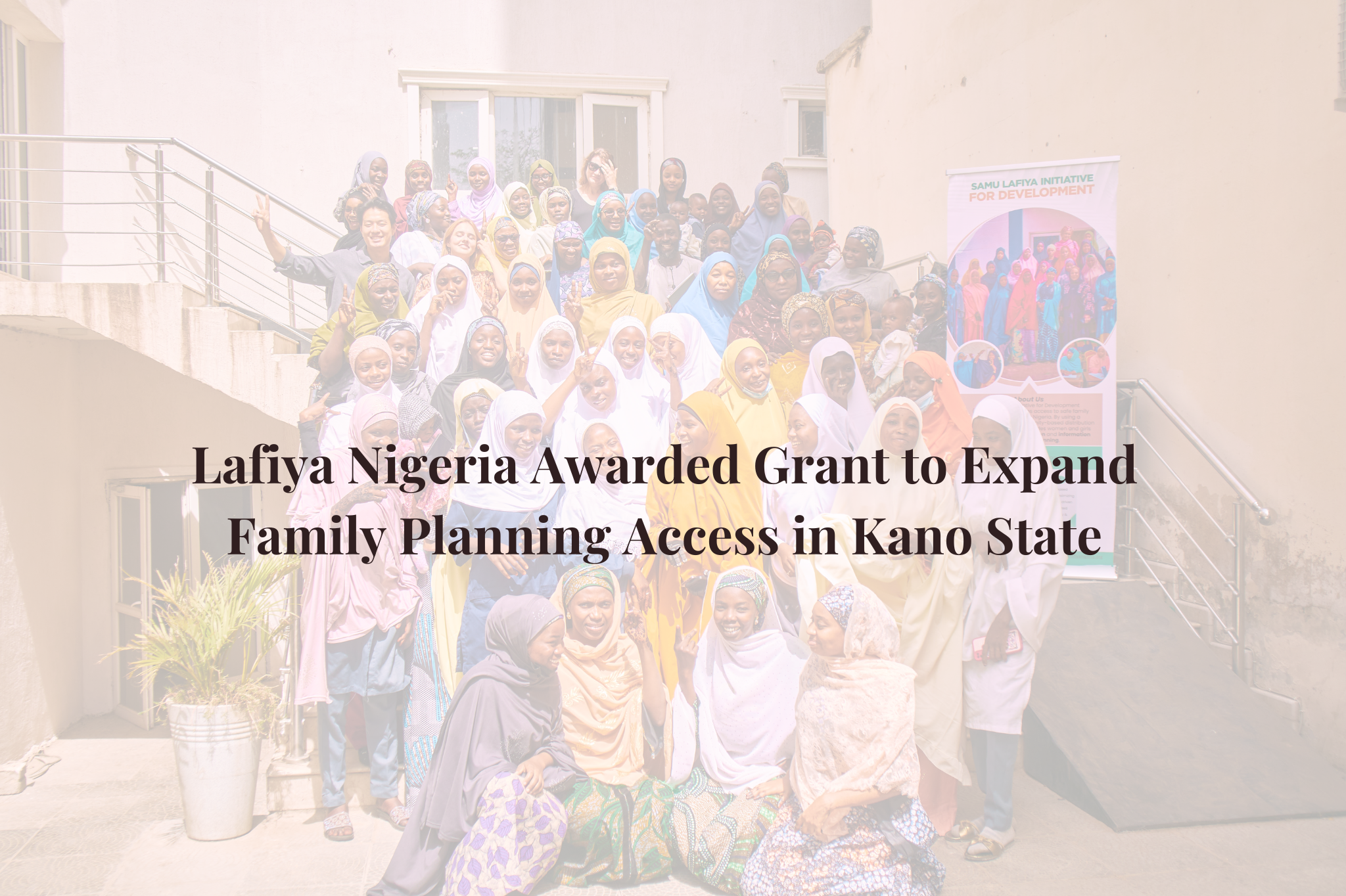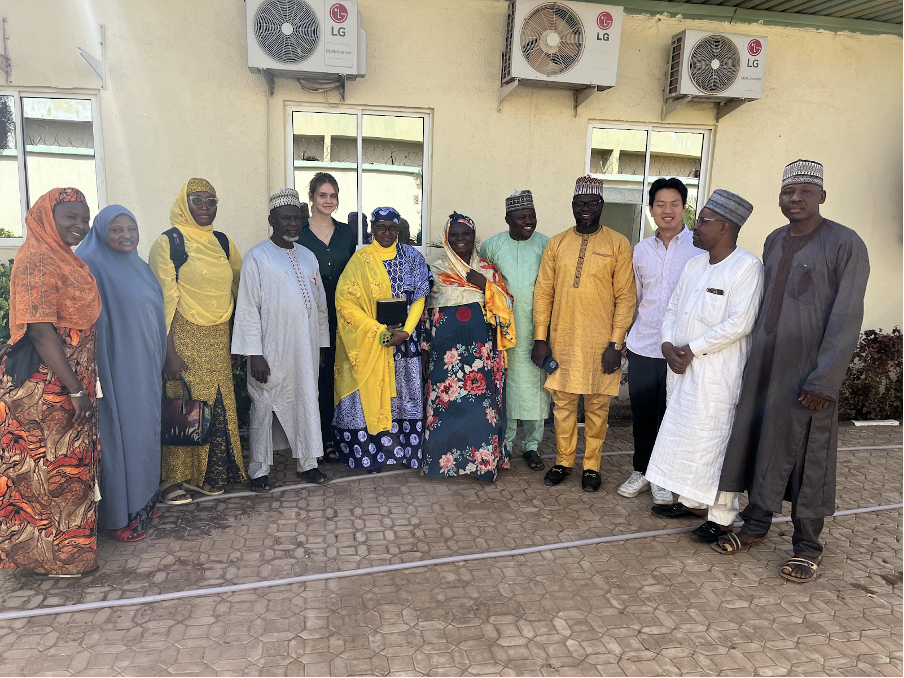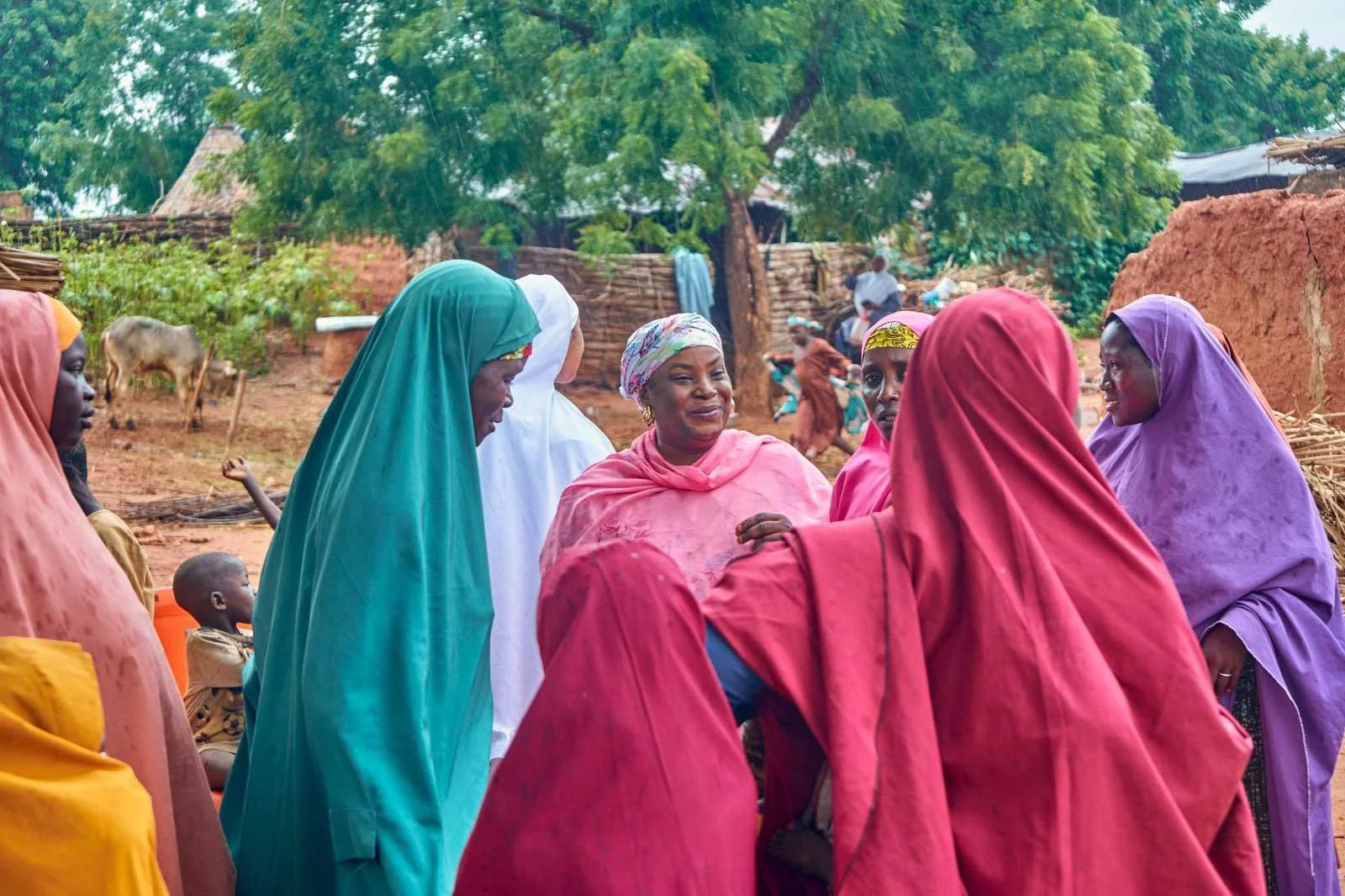
Lafiya’s programme receives $1M GiveWell grant (March 2026)
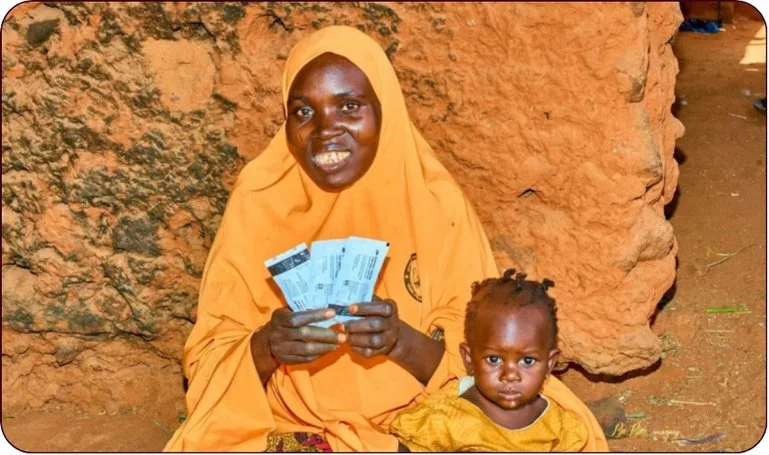
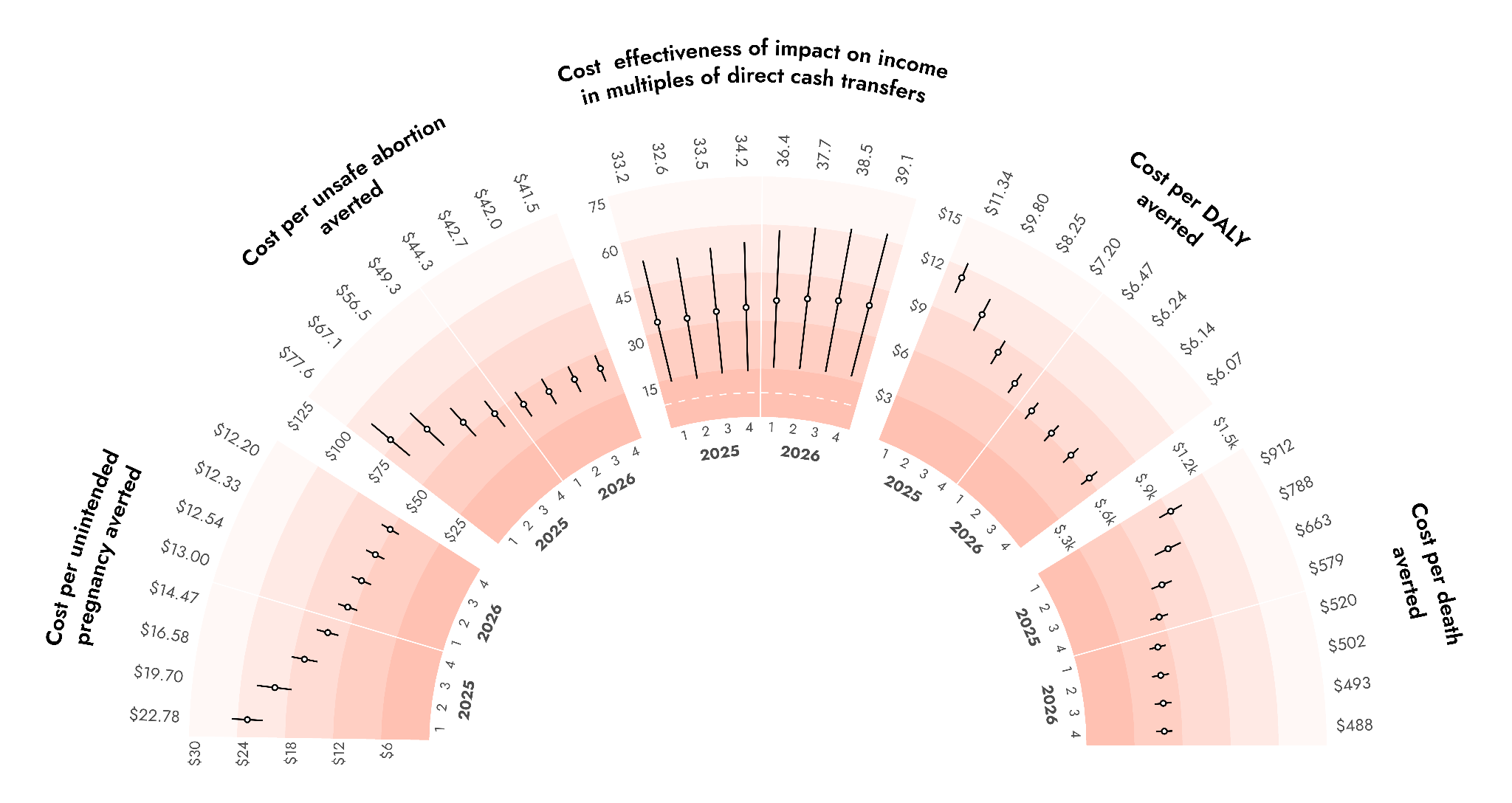
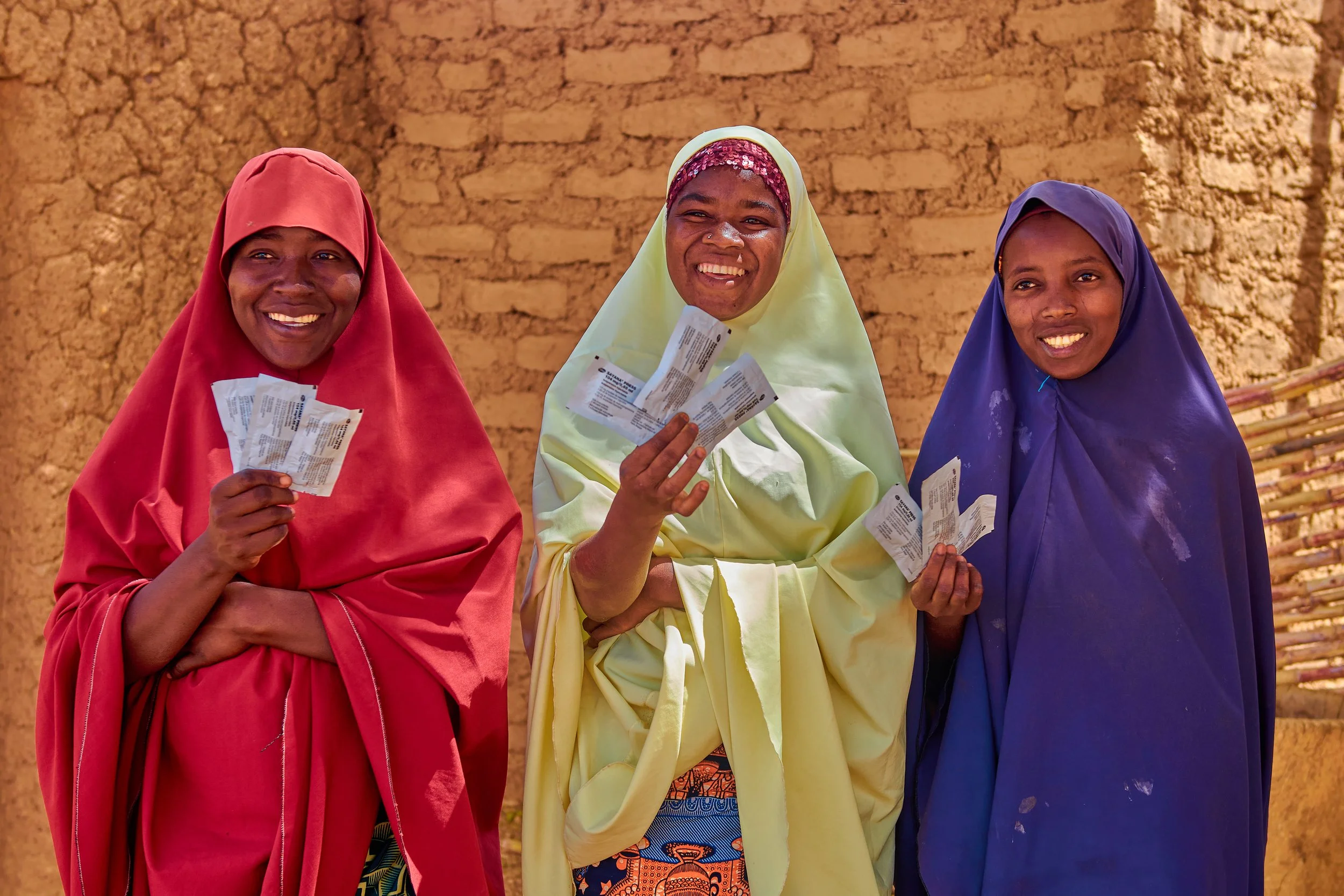
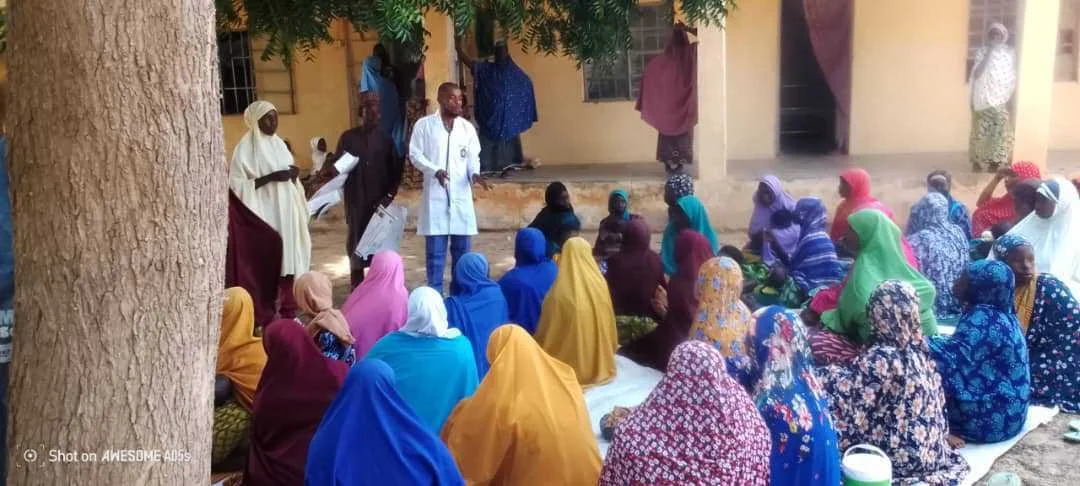
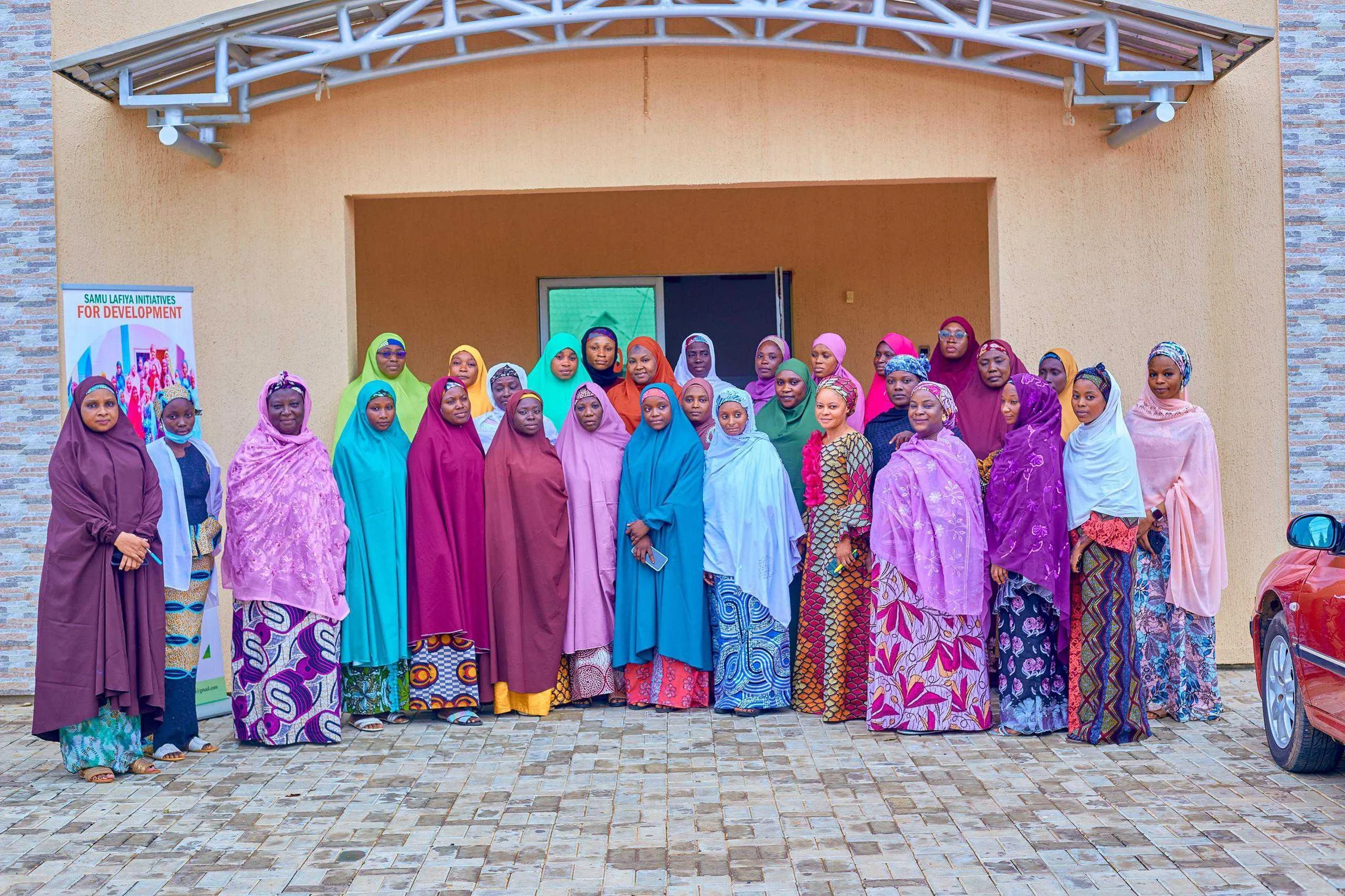
This grant will fund Lafiya to train nurses, midwives, and community health workers to provide family planning counselling, short-term contraceptives, and referrals for other methods in northern Nigeria, where modern contraceptive use is among the lowest in the world.
Finding the Bottlenecks in Family Planning Access
Getting contraceptives to the people who need them takes more than a reliable supply. Explore the bottlenecks in family planning access, and how community-based approaches like Lafiya are helping close the last-mile gap.
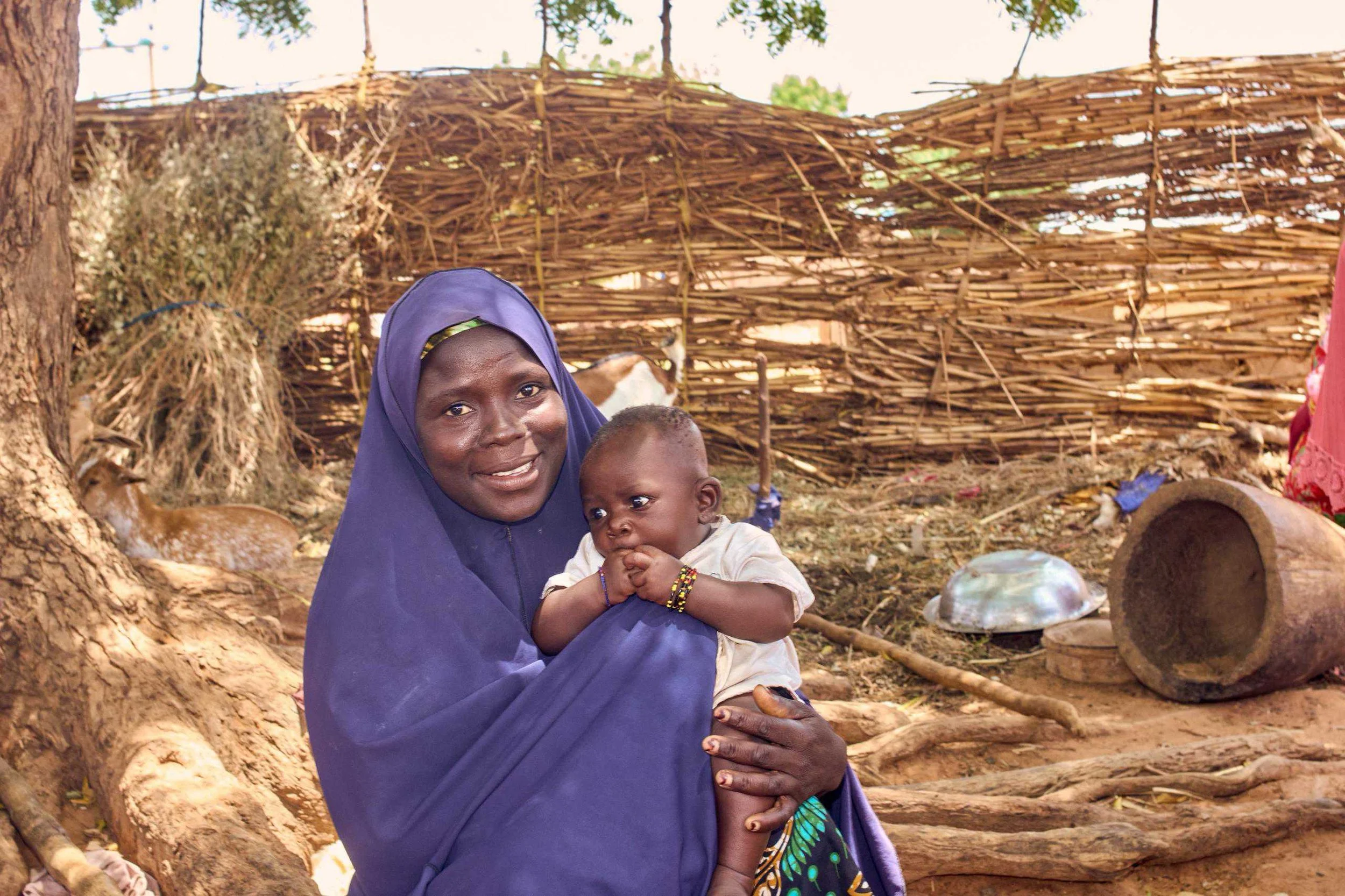
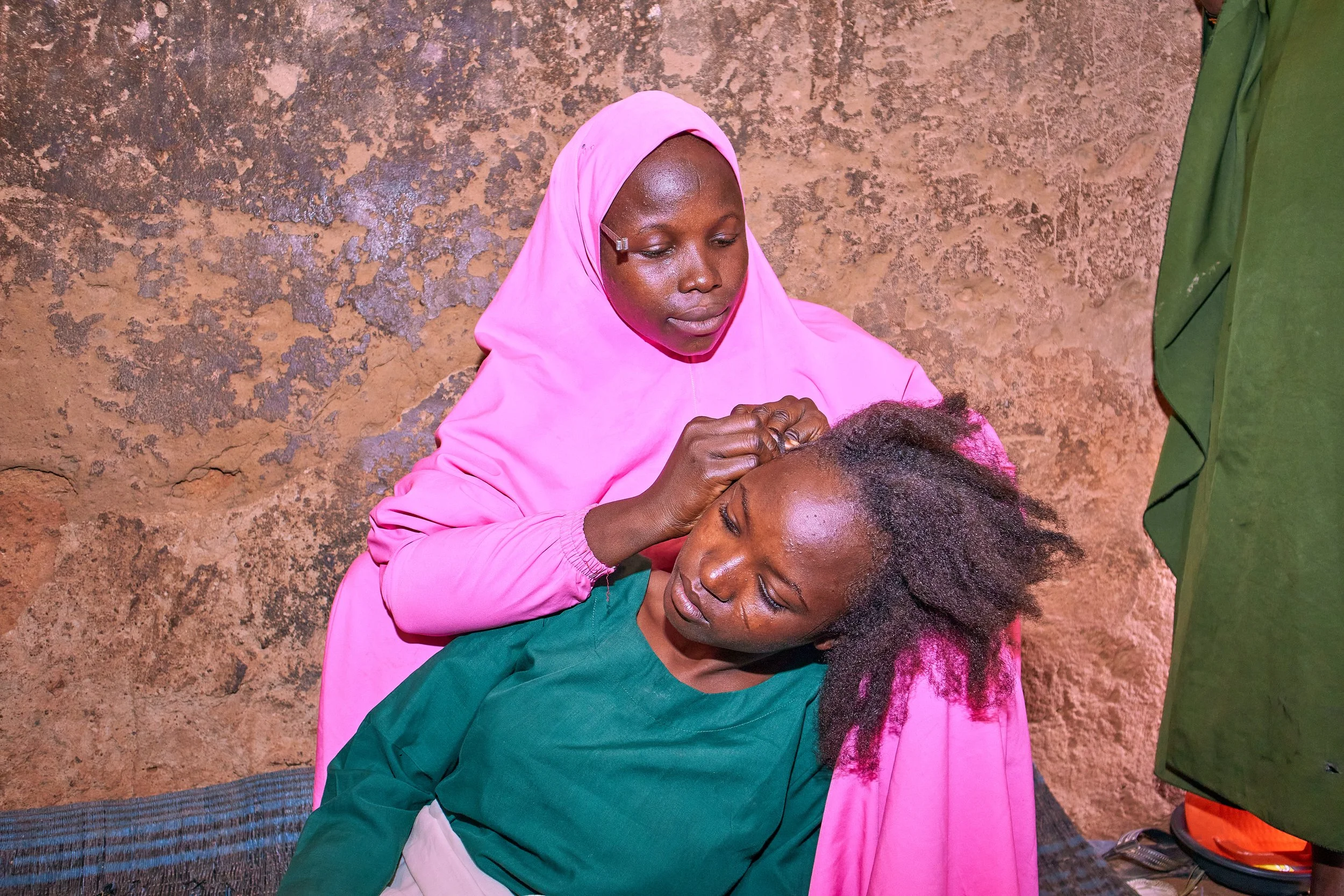
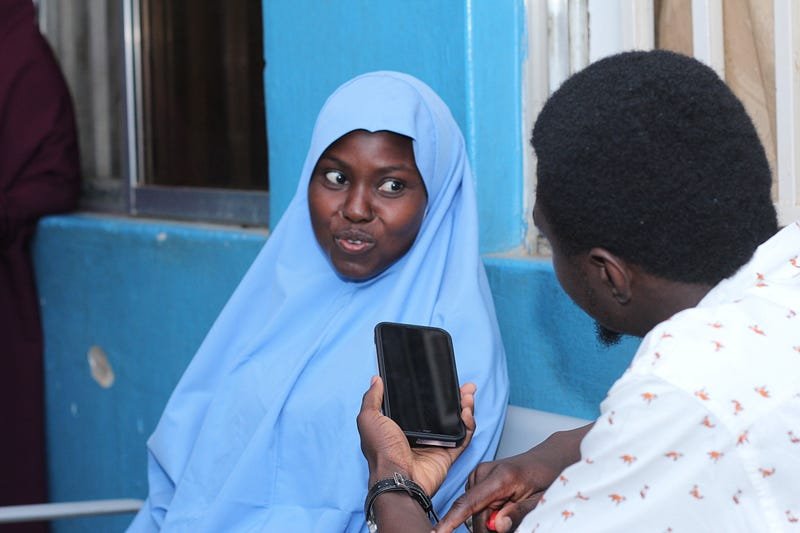
After years of pregnancy loss, Balkisu can now plan for her future
“Receiving free family planning services has given me hope and peace of mind. I no longer worry about becoming pregnant before my body has recovered. I can now focus on caring for my children, improving my health, and supporting my family.” – Balkisu
The Last Mile of Family Planning: Lessons from Lafiya in Nigeria
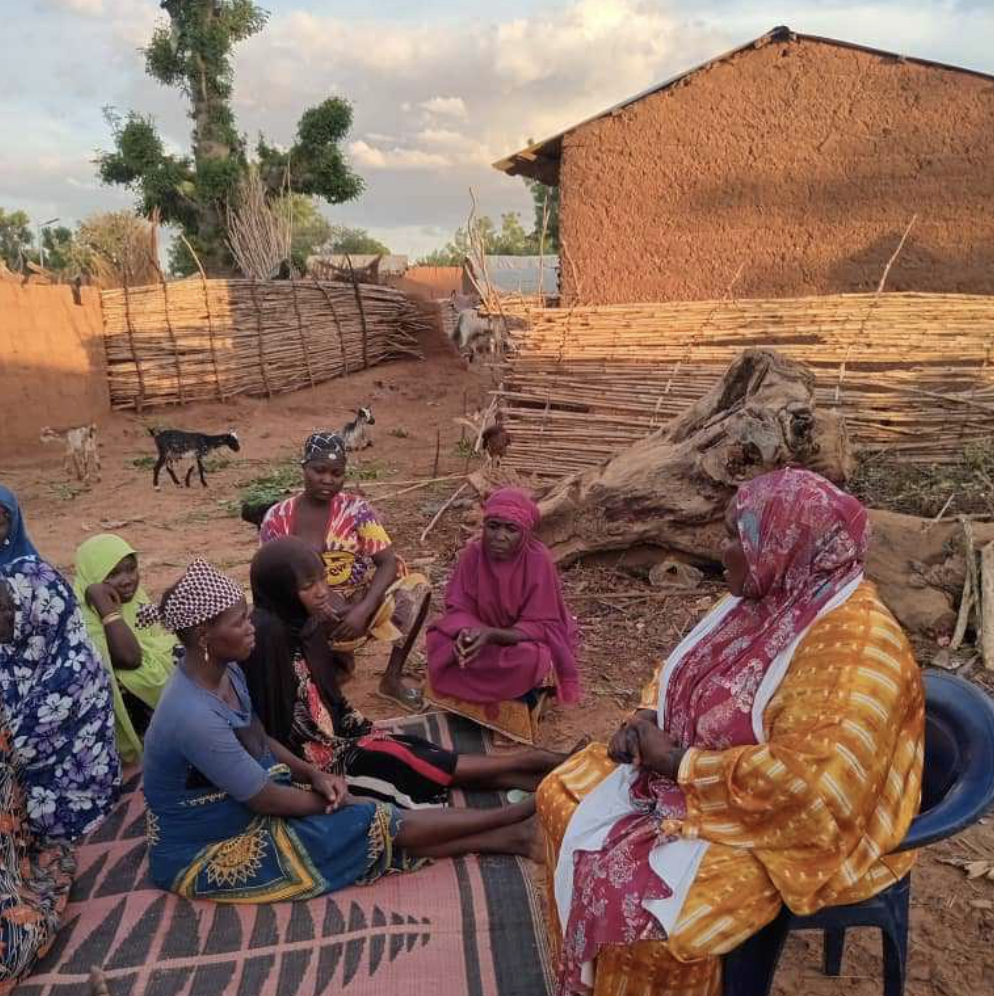
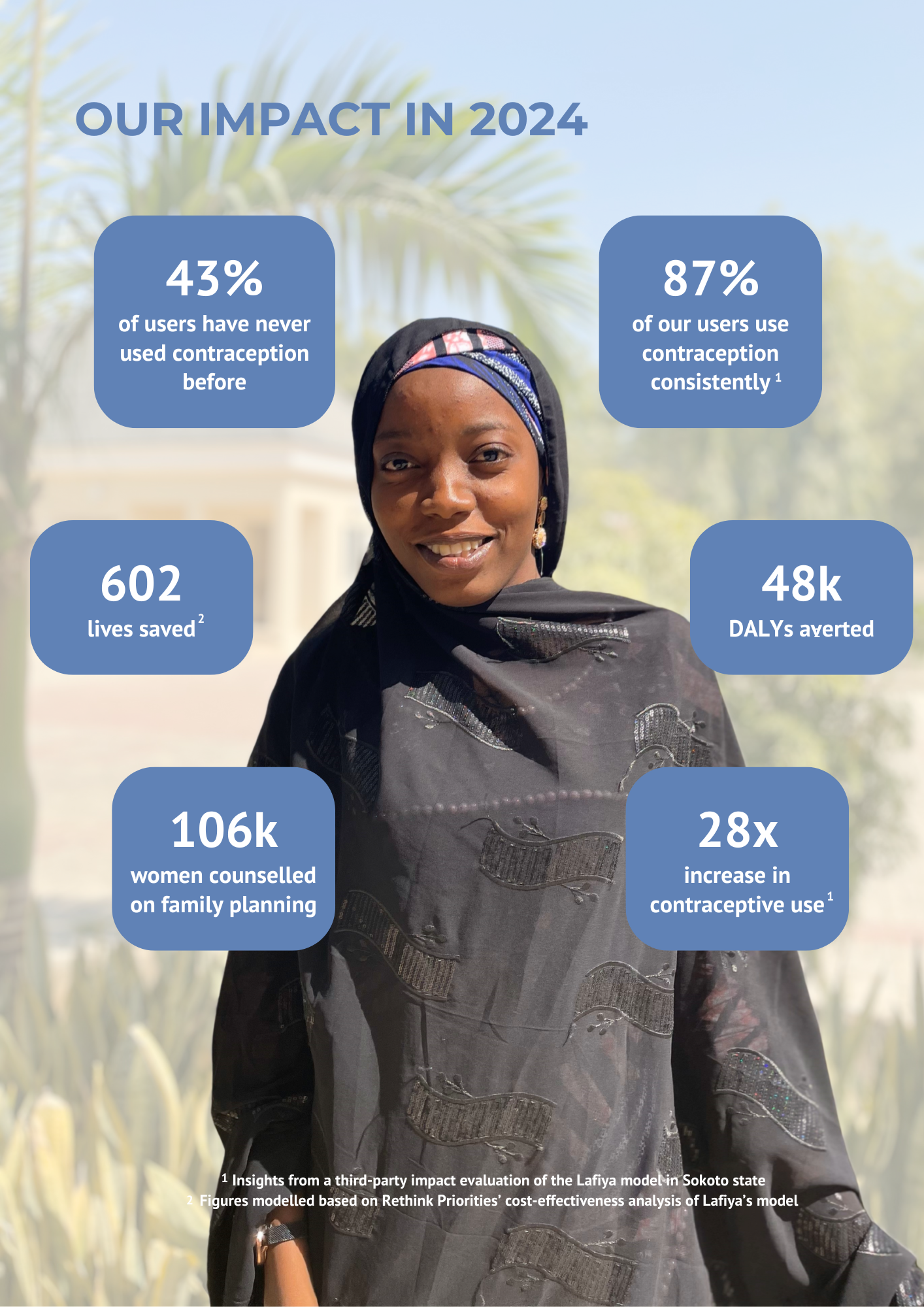
Klau Pakos, CEO and co-founder of Lafiya, on closing the family planning last mile in Northern Nigeria, where contraceptive use jumped from 2% to over 70% by meeting women where they already are.
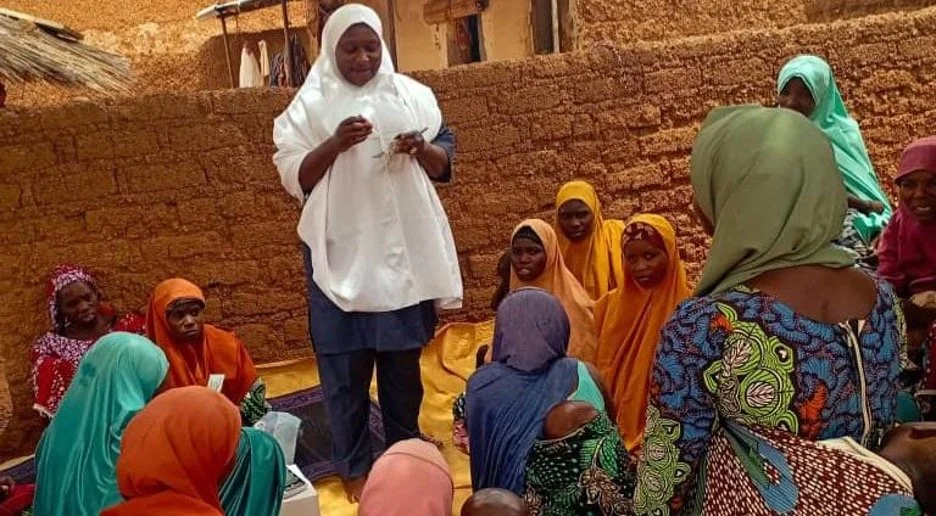
Economic hardship spurs contraceptive acceptance in Jigawa
In Jigawa State, northwest Nigeria, economic hardship is forcing many couples to reconsider tradition. Across the conservative northern region, where family planning is often viewed as controversial, this ICIR special report explores why more couples are now choosing to have fewer children despite long-held cultural beliefs.
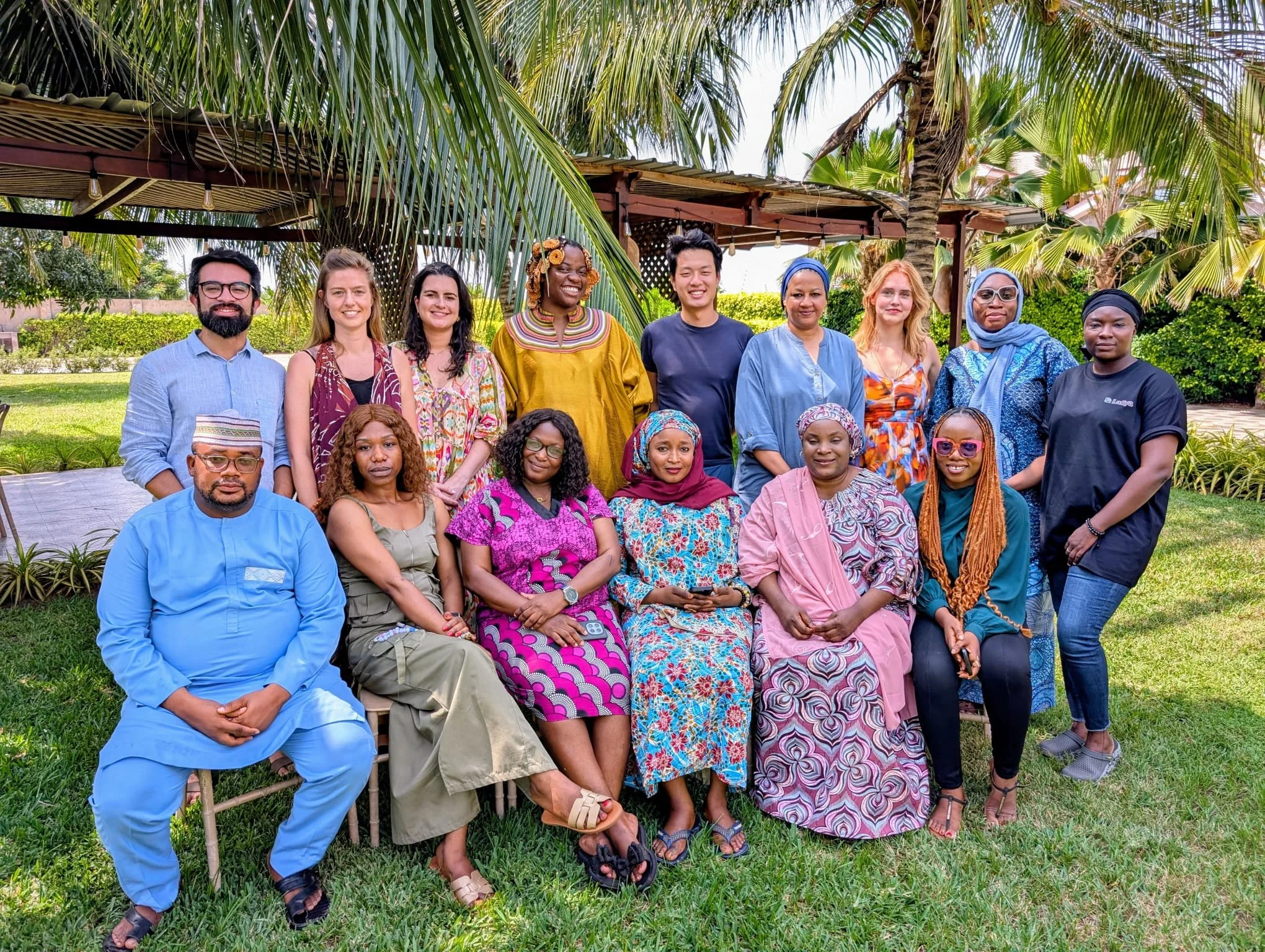
A Mid-Year Update from Lafiya
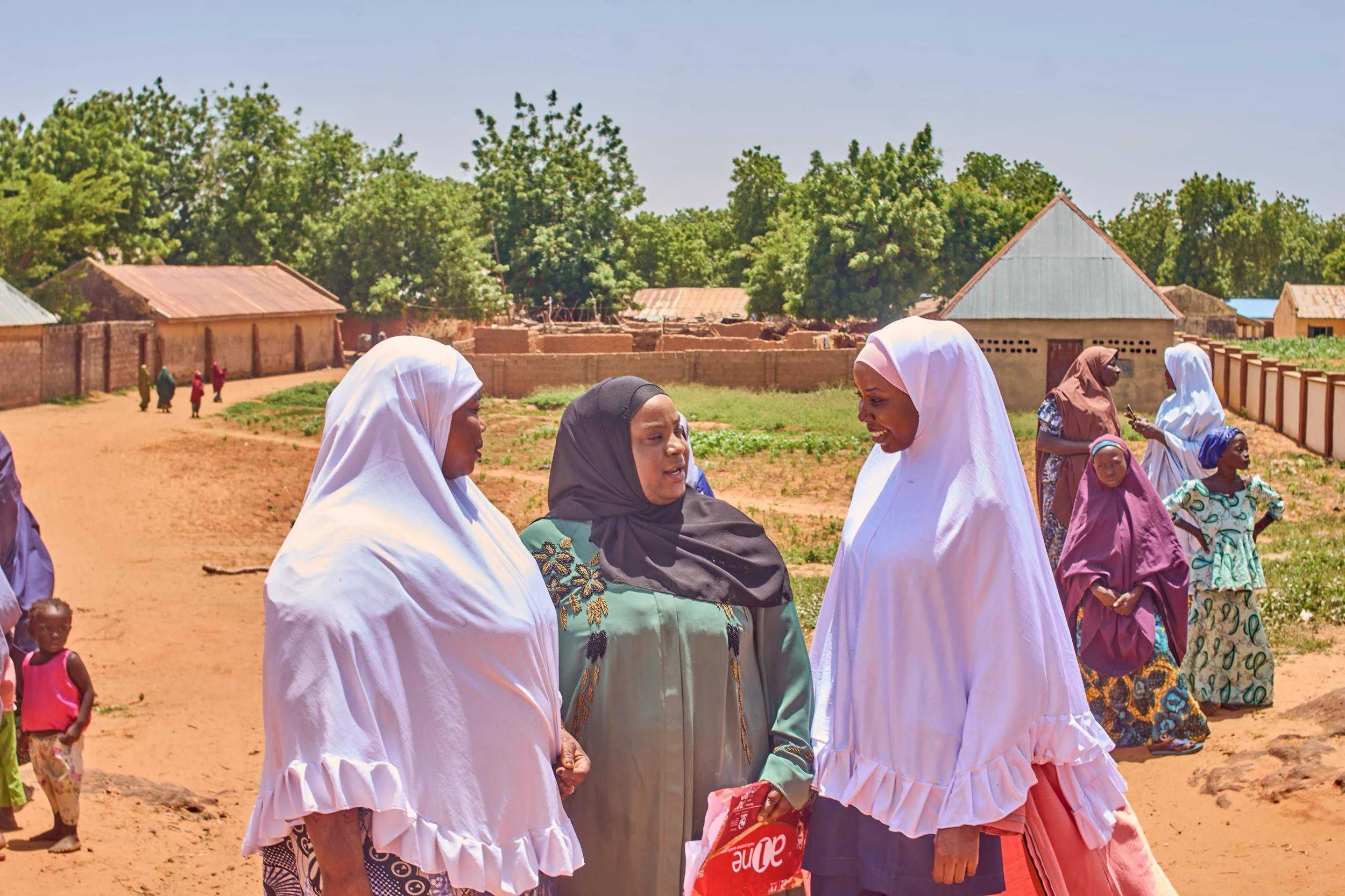
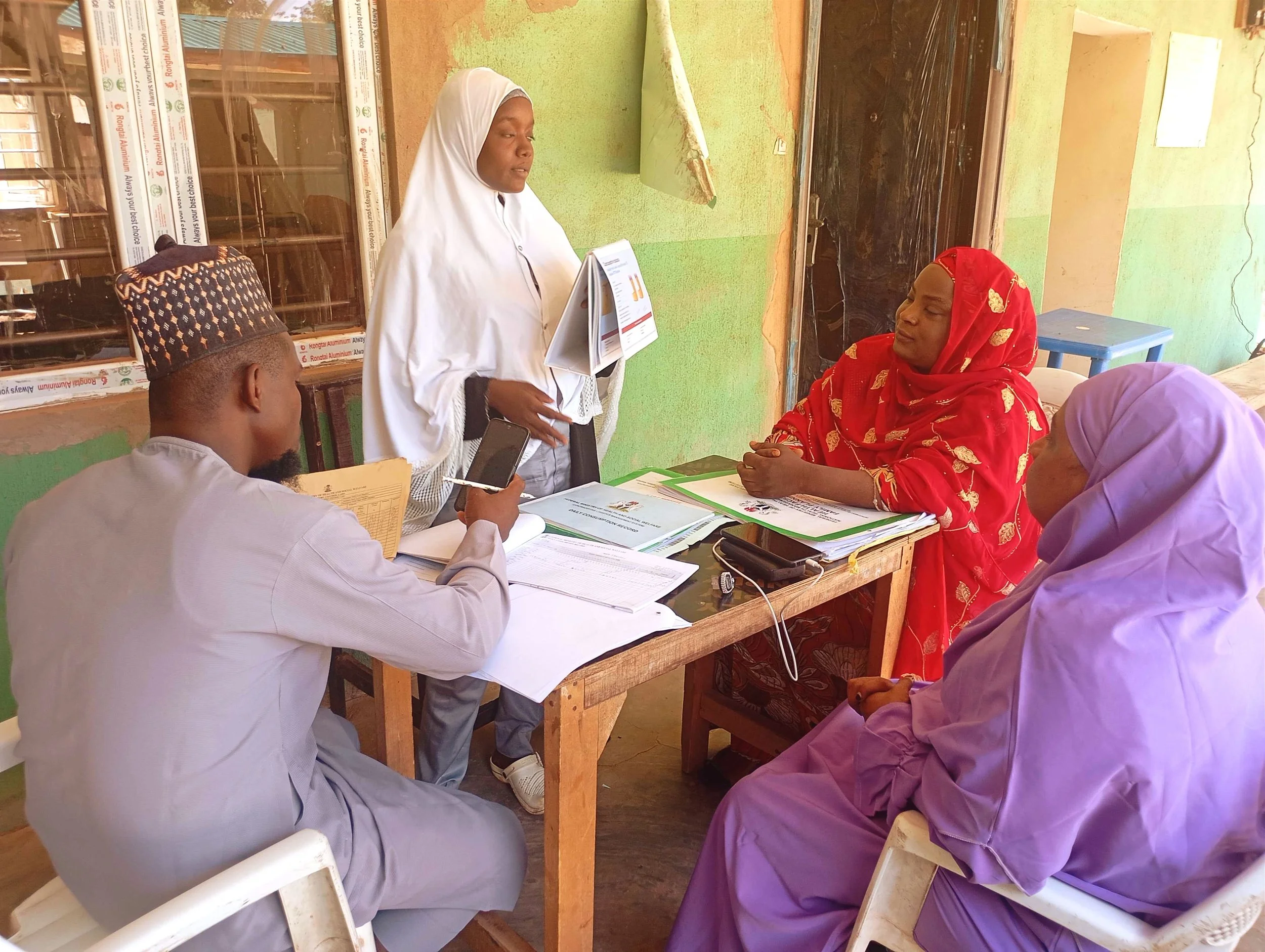
Read on to get a behind-the-scenes look at how we're closing data gaps in family planning, find out more about how Lafiya Sisters are now distributing multiple government-procured methods, hear from one of our new staff members, and check out our open positions!